22 templates
Developer Open Graph image templates
Developer-native cards that speak to engineers.
Developers can smell a marketing card a mile away, so these templates speak the native language: terminal and IDE aesthetics, monospace type, code snippets, and repo-style framing. Perfect for a CLI tool, library, API, or changelog where credibility comes from looking like the thing it describes.
Great for:
- A CLI tool or library
- An API or docs page
- A changelog or release
- A repo, PR, or build-status card
Related reading: OG images for developers →
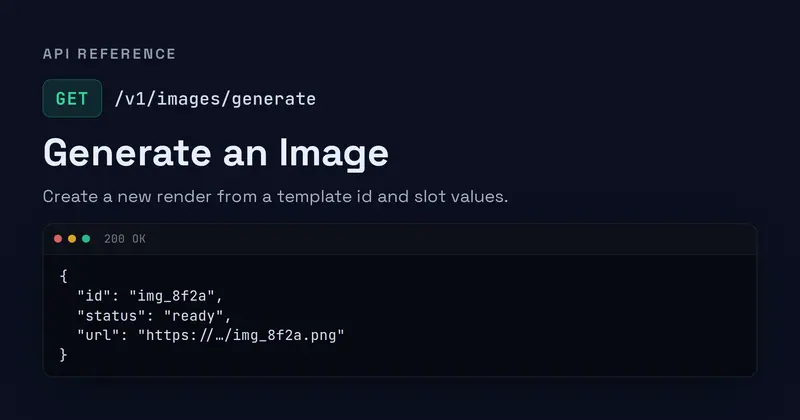
API Reference
An API reference card: an 'API Reference' eyebrow, a METHOD badge with a mono endpoint path, a title and description, and a rounded code panel showing a faux JSON response.
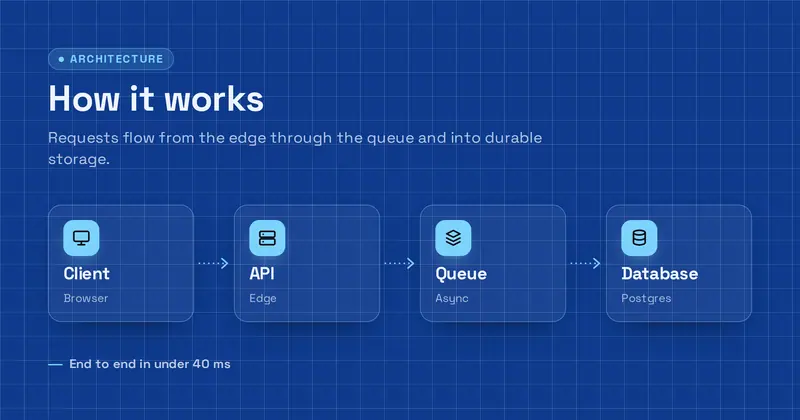
Architecture
A system-architecture diagram card: an eyebrow, bold title and subtitle above a drawn left-to-right flow of up to four labelled node boxes (each with a glyph, label and sublabel) connected by arrows, plus a detail line.
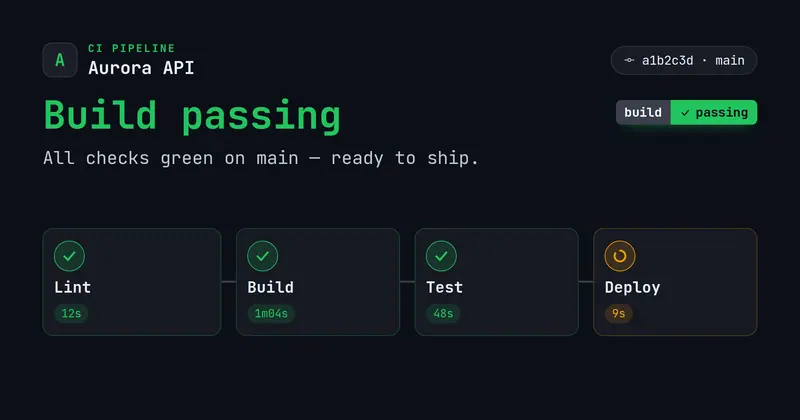
Build Status
A CI build-status card: a product lockup with a 'CI Pipeline' eyebrow and a commit · branch line (your uploaded icon/logo, or a letter-mark fallback), a bold title and a shields-style build badge whose color is derived from the overall state, and a row of pipeline stage nodes each with a state-colored icon and duration.
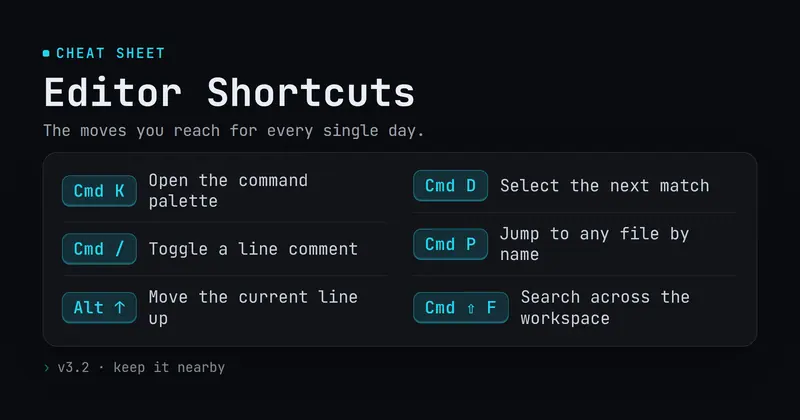
Cheat Sheet
A developer cheat-sheet / quick-reference card: an eyebrow, a bold title and subtitle, then a list of 'key | action' rows each shown as a drawn keycap chip plus its description.
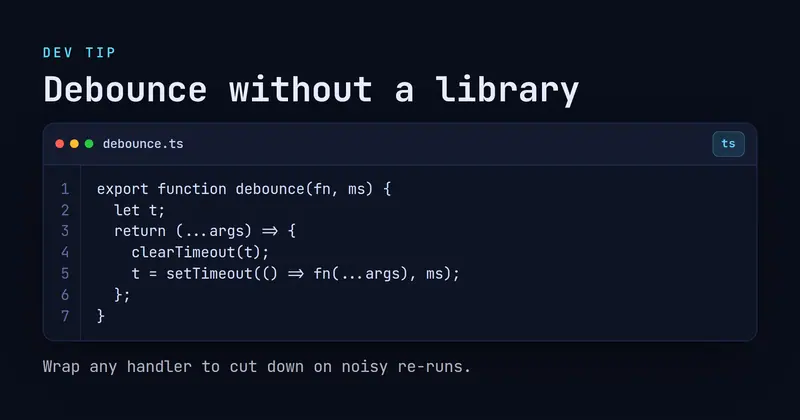
Code Snippet
A dev-tip card with an eyebrow and bold title above a rounded code window — traffic-light title bar, filename tab, language chip, and a line-numbered monospace snippet — with a caption below.
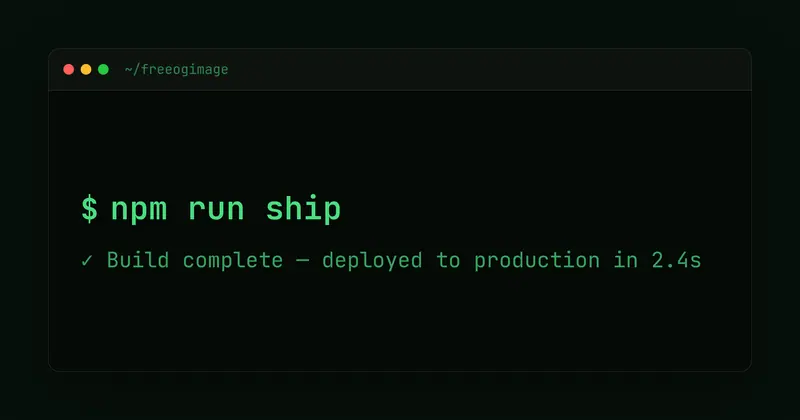
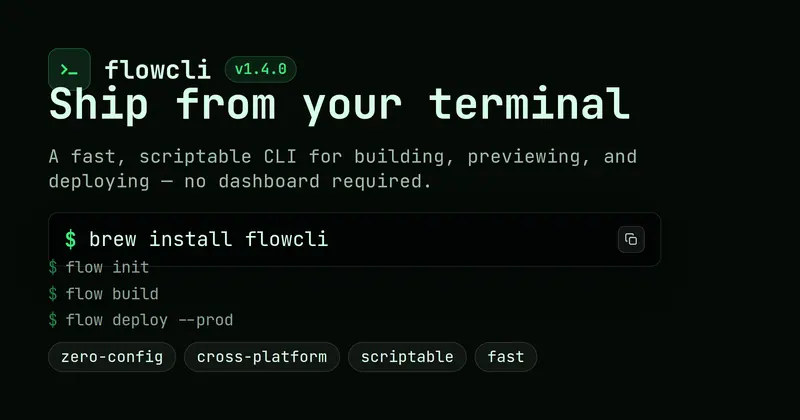
Dark Terminal
Terminal/IDE aesthetic with monospace type, window chrome, and a neon prompt.
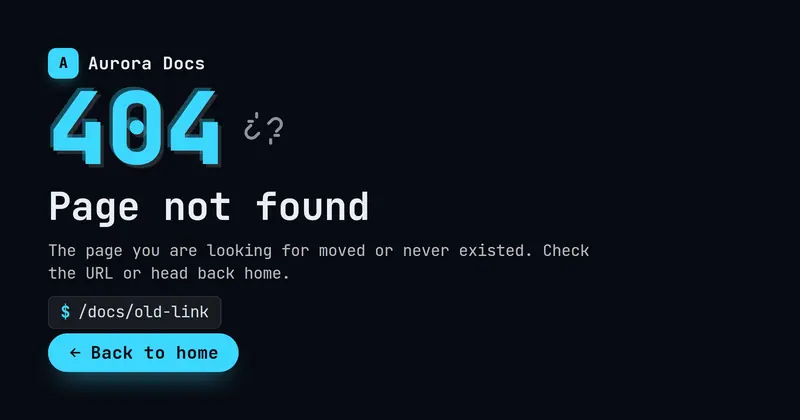
Error Page
A generic error-page share card: a giant accent status code with a light glitch offset, a bold title, a friendly subtitle, an optional mono path chip for the bad route, a 'Back to home' CTA pill, and a small brand lockup (your uploaded icon/logo, or a letter-mark fallback).
Integration
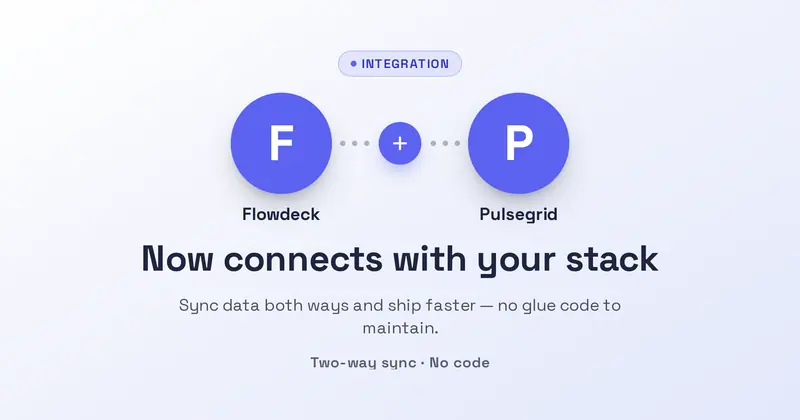
A focused two-party integration card: two round logo tiles joined by a drawn connector node, under an Integration badge, a headline, a subtitle, the two product names, and a detail line.
Package Card
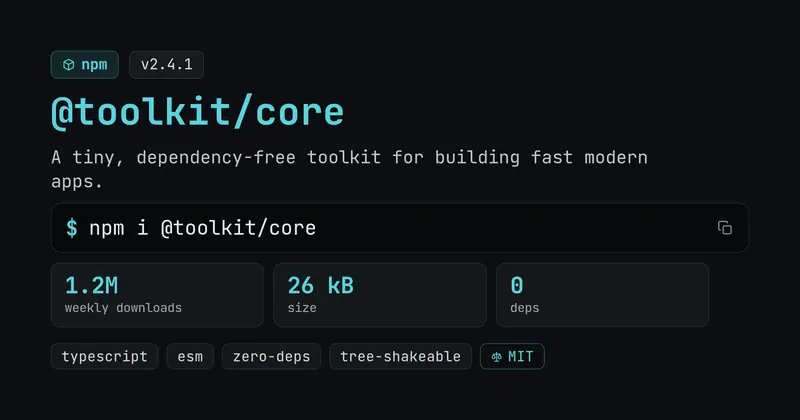
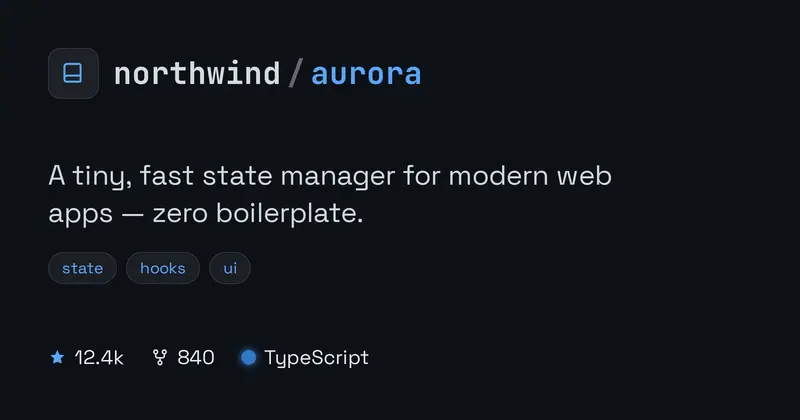
A package-registry card: a registry chip with the package name and version, a description, a prominent mono install command, a parsed stat row, keyword tags, and a license chip.
Pull Request
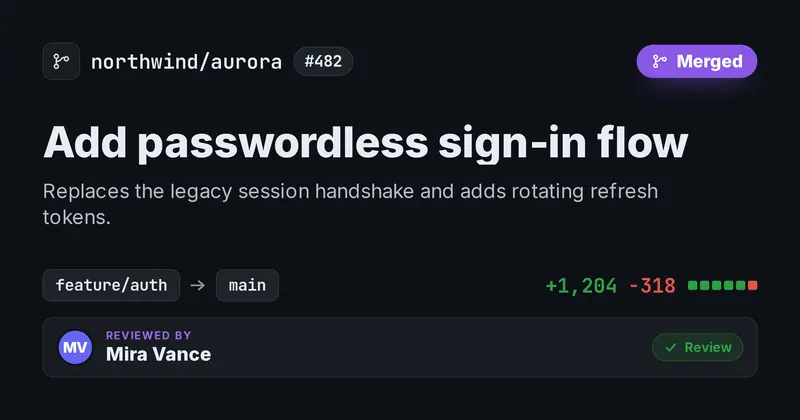
A code-review / pull-request card: a repo lockup with a PR number chip, a status pill whose color + icon are derived from the status word, a PR title and summary, a branch-from → branch-to row, a green/red diff stat, and a cluster of reviewer avatars.
Quickstart
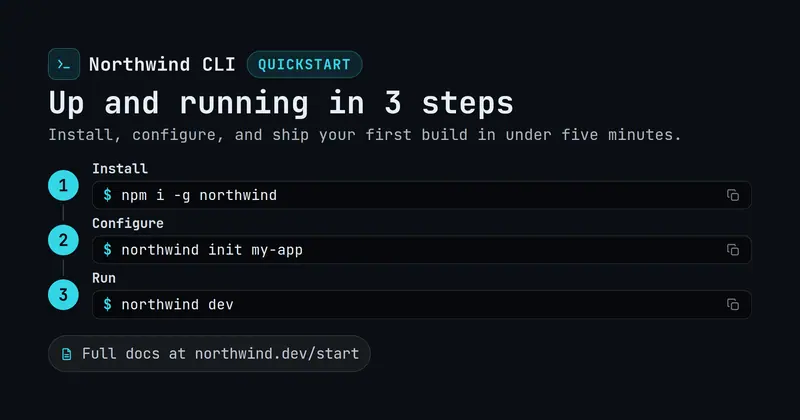
A getting-started / README OG card: a product lockup, a Quickstart eyebrow and bold title, a subtitle, and a numbered step list whose accent step numbers are computed from index, each pairing a short label with a mono command in a drawn code pill.
Security Advisory
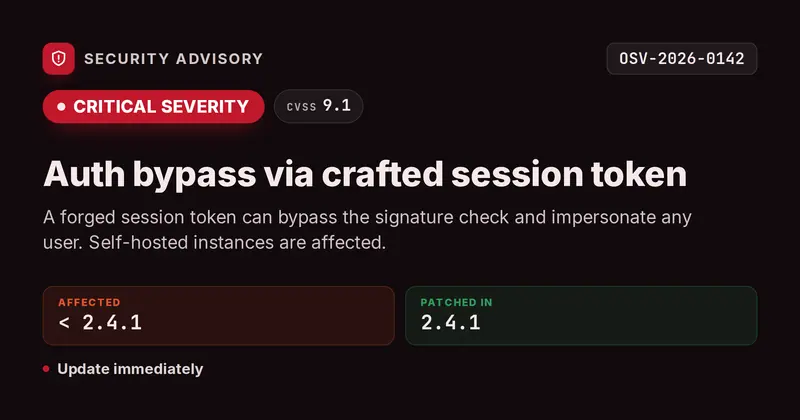
A CVE-style security advisory card: an eyebrow with a shield glyph plus a mono advisory-id chip, a big severity badge whose color and label are derived from the severity word, an optional CVSS chip, a bold title and summary, an Affected/Patched meta row, and a detail action line.
Status Page
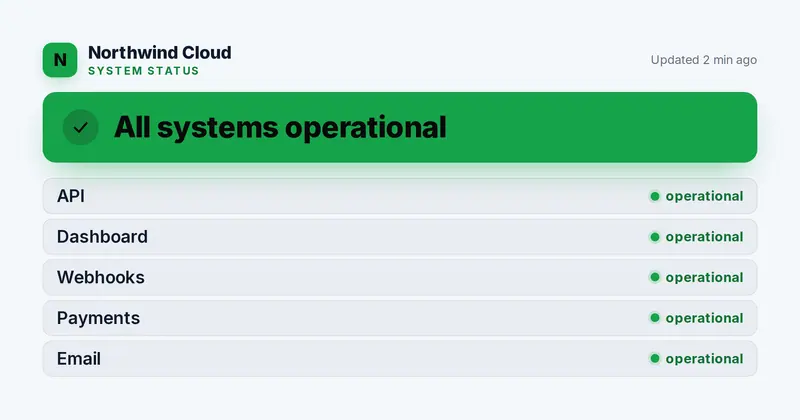
A system-status card: an org lockup with a 'System Status' eyebrow and an updated timestamp, a big status banner whose color and icon are derived from the overall state, and a list of component rows each with a state-colored status dot.
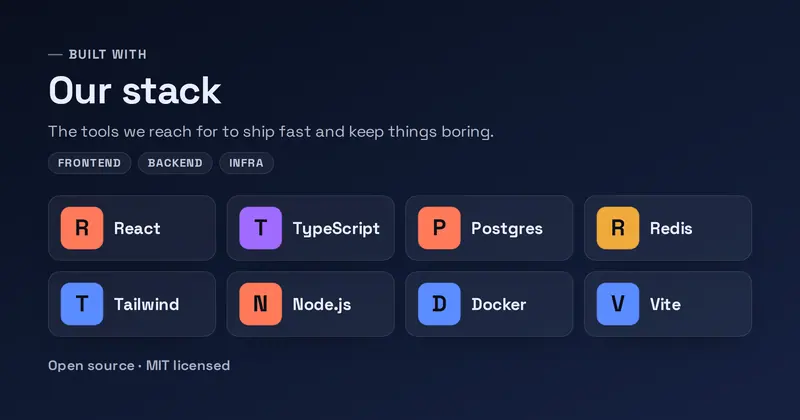
Tech Stack
A "built with" tech-stack card: an eyebrow, bold title, and subtitle over a tidy 4-up grid of tech tiles parsed from a list, each showing an uploaded logo or a letter-tile fallback, with optional layer labels and a detail line.
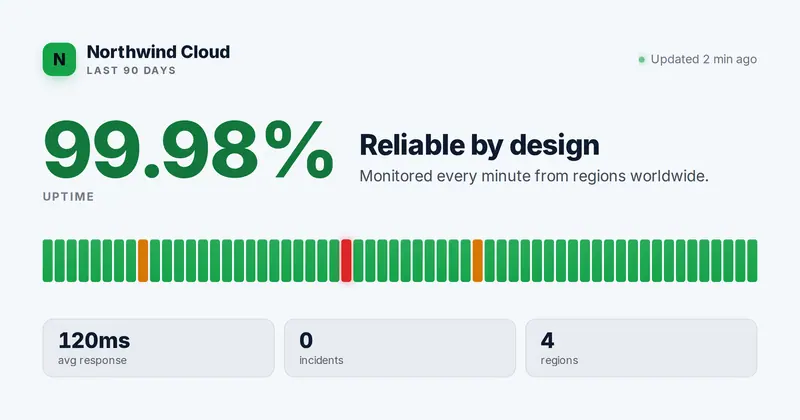
Uptime
An uptime / SLA card: an org lockup with a 'Last 90 days' eyebrow and an updated line, a huge accent uptime percentage beside a title and subtitle, a day-by-day uptime bar strip whose bar colors are derived from per-day state words, and up to three slot-driven stat pills.